Lab Notes
Explore the fascinating world of the human microbiome

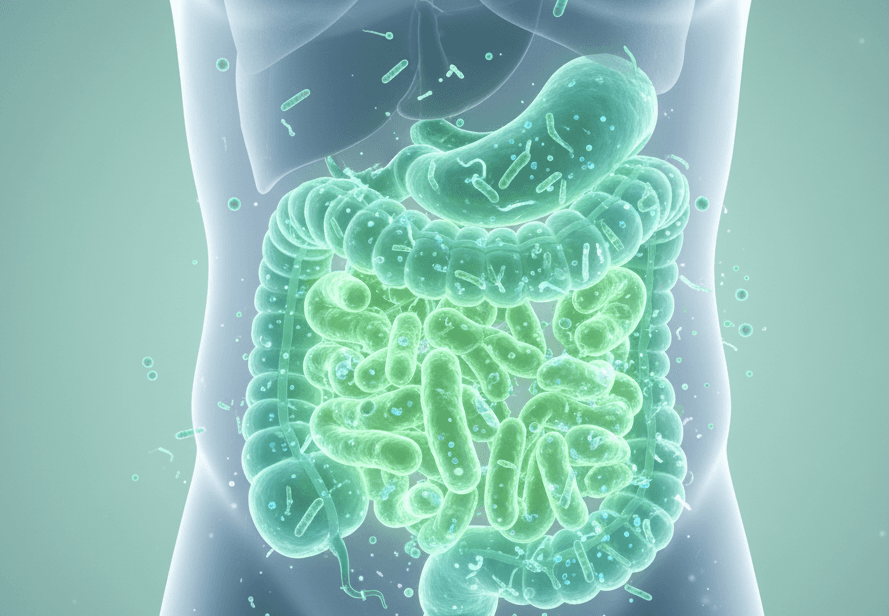
Gut Microbiome: The Powerhouse of Health
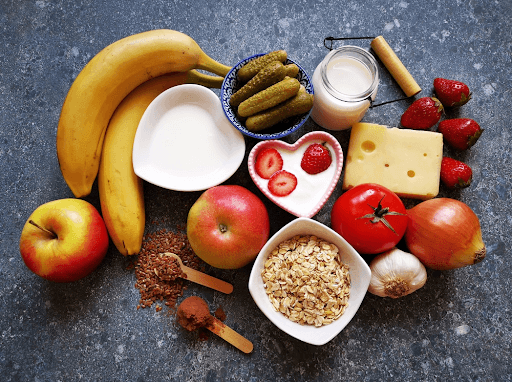
A healthy gut microbiome translates to better energy, immunity, and even mood. Probiotic-rich foods like yogurt and fermented vegetables, combined with prebiotics from garlic, onions, and whole grains, support this ecosystem.
Maintaining microbial balance is vital. An imbalance, known as dysbiosis, can contribute to inflammation, infections, and chronic diseases.
Microbiome and Immune Function
Microbes help train the immune system to recognize threats while tolerating harmless substances. A balanced microbiome:
- Enhances pathogen defense
- Reduces inflammation
- Lowers risk of autoimmune conditions
By fostering microbial diversity, we strengthen our natural defenses and overall resilience.
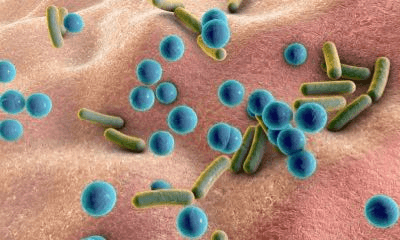
The Skin Microbiome: Your First Line of Defense
Our skin hosts a unique microbial community that shields against pathogens. Disruption in this ecosystem can result in:
- Acne
- Eczema
- Psoriasis
Gentle skincare routines and topical probiotics can promote healthy skin microbiota.
Oral and Respiratory Microbiome
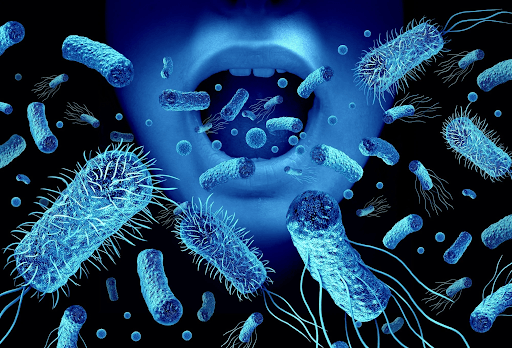
The mouth, throat, and lungs host specialized microbes:
- Oral Microbiome: Protects teeth and gums, reduces cavities.
- Respiratory Microbiome: Regulates immune responses, preventing infections.
Factors Influencing Microbiome Health
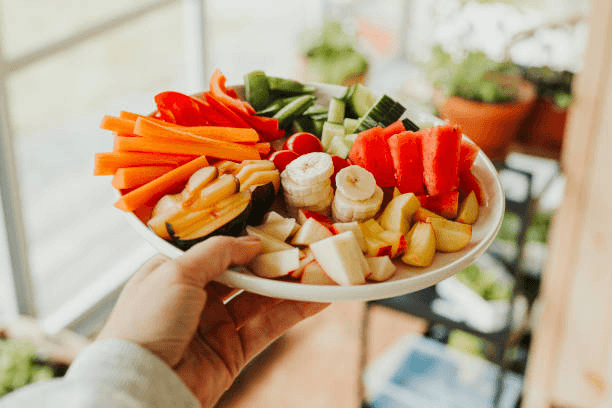
- Diet: Fiber-rich, diverse diets enhance microbial diversity.
- Antibiotics: Disrupt microbial balance; only use when necessary.
- Lifestyle: Stress, sleep, and physical activity affect microbiome health.
- Genetics: Influence microbial colonization and diversity.
Microbiome and Mental Health: The Gut-Brain Axis
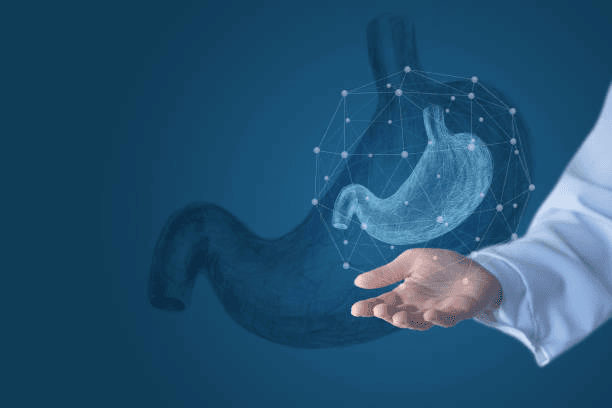
The gut communicates with the brain via the gut-brain axis, influencing:
- Neurotransmitter production (e.g., serotonin)
- Stress and anxiety levels
- Cognitive function
Supporting the gut through diet, stress management, and exercise promotes both mental and physical well-being.
Probiotics and Prebiotics: Nourishing Our Microbes
- Probiotics: Live beneficial bacteria found in yogurt, kefir, and kimchi.
- Prebiotics: Fibers that feed beneficial bacteria, found in garlic, onions, and bananas.
Combining both strategies ensures a balanced and resilient gut microbiome.
A New Frontier in Healthcare
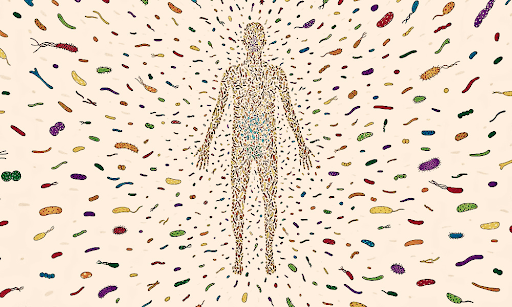
The human microbiome is a vital, yet often overlooked, aspect of health. Supporting microbial diversity through a balanced diet, healthy lifestyle, and mindful antibiotic use can improve immunity, mental wellness, and overall vitality. As research evolves, microbiome-based therapies may transform preventive and personalized medicine, offering a new frontier in healthcare.