Microbial Solutions for Sustainable Industries
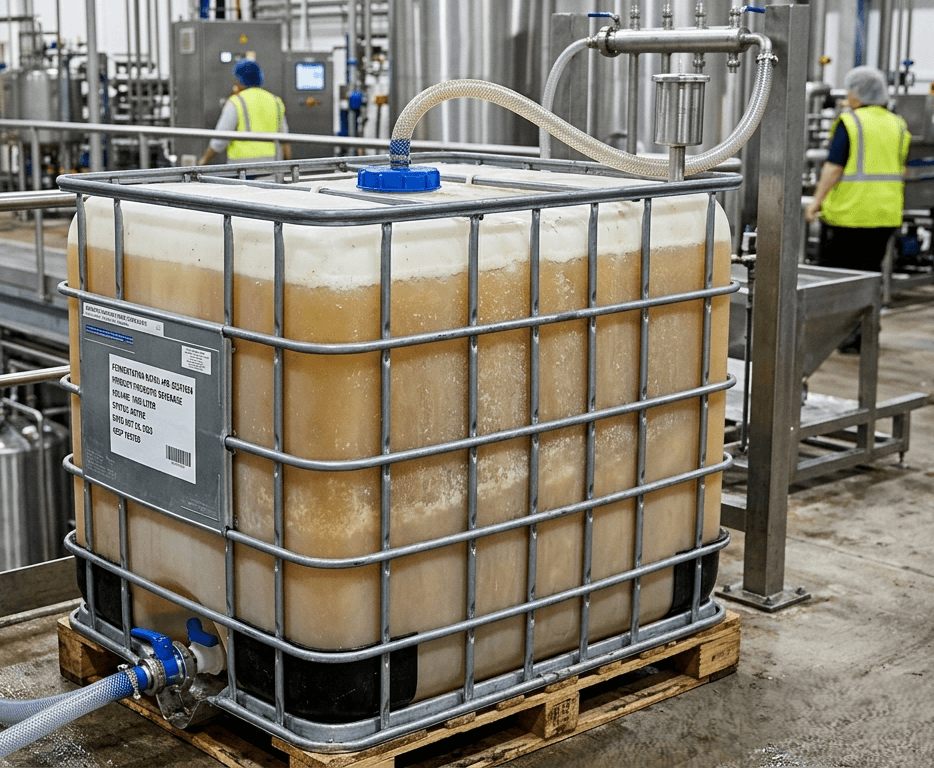
At Siltrock, we develop probiotic and microorganism-based solutions that restore balance to wastewater systems, organic waste management, and sanitation environments across the Middle East.
- Instead of masking problems with chemicals, we work with biology — strengthening beneficial microorganisms to naturally outcompete harmful bacteria and restore ecological balance.
Our Product: PBA - Probiotic Bacteria
- PBA is a combination of carefully selected, high-quality strains of beneficial microorganisms naturally found in the environment, including lactic acid bacteria and yeast. These bacteria are highly active and efficient, making them effective for various biological and environmental applications.

- PBA activates the native microorganisms in the soil and water, and enriches their natural power.
- The PBA bacteria prompt the Opportunistic Bacteria to join Good Bacteria.
- Microorganisms in the PBA have the ability to ferment organic substances and prevent decaying.
- Diversified microflora in PBA inhibits the growth of pathogenic bacteria.
Industrial Application
PBA bacteria offer natural, eco-friendly solutions across agriculture, environmental management, and water systems. Our technology restores balance, enhances productivity, and supports sustainable ecosystems.
Industrial & STP

%20in%20Dairy%20Farming.png&w=3840&q=75)

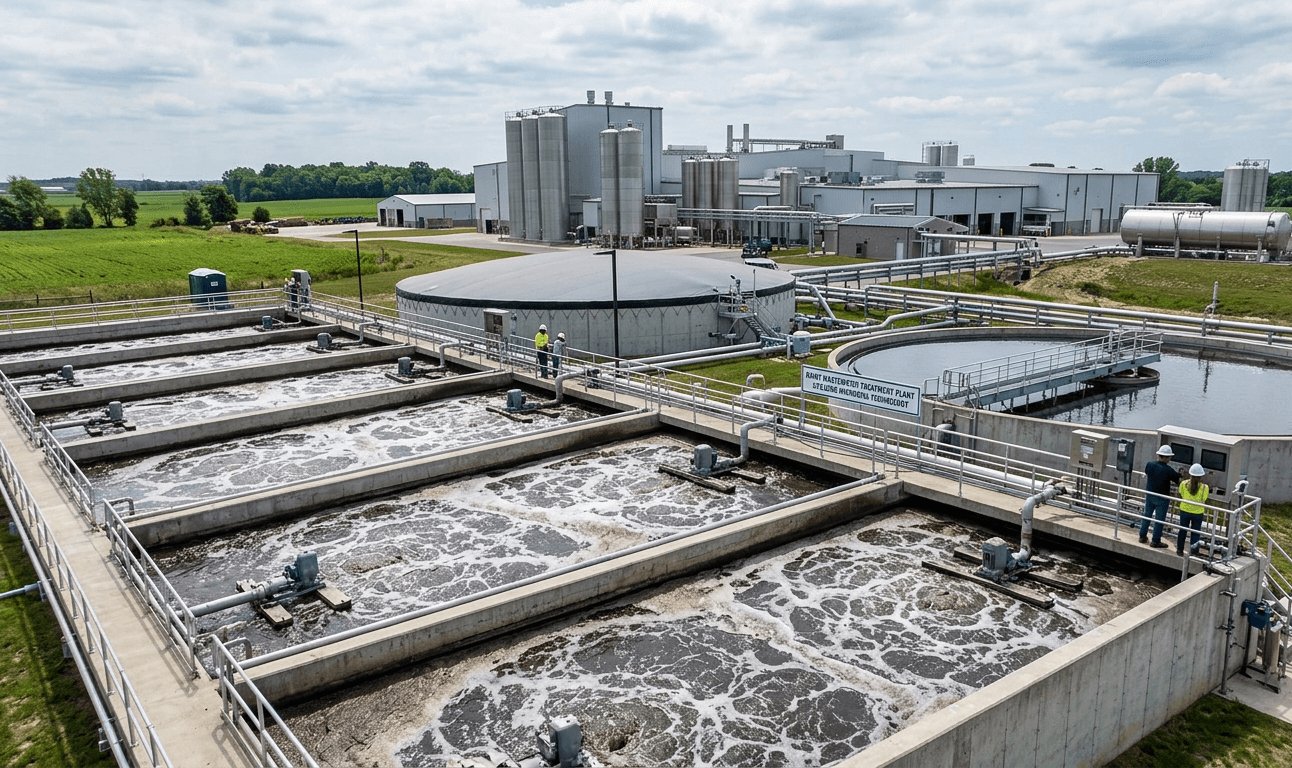
Wastewater Treatment
Probiotic bacteria can significantly improve the treatment of wastewater by guiding biological processes toward cleaner, more efficient, and more stable degradation pathways. Their activity supports better removal of organic loads, reduces odors and sludge formation, and enhances the overall performance of lagoons, separators, and biological treatment units.
Benefits :
- •Improve breakdown of organic matter (fats, proteins, lactose, and suspended solids) by introducing beneficial microbes that accelerate biological degradation.
- •Reduce BOD and COD levels through cleaner, more complete microbial digestion, improving effluent quality and reducing treatment time.
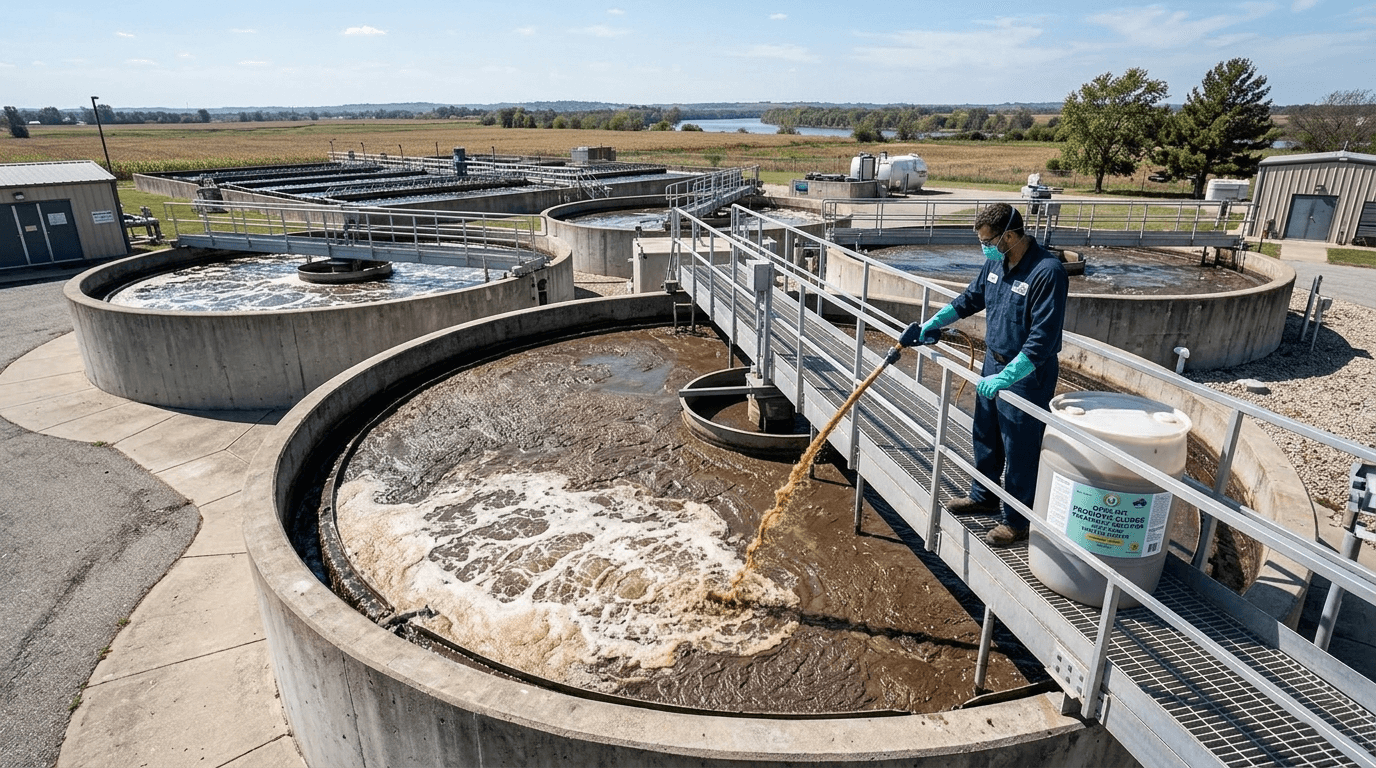
Sewage Sludge Stabilization
PBA bacteria significantly reduce sludge accumulation—often by up to 70%—by accelerating the biodegradation of organic solids during sewage treatment. Their metabolic activity also suppresses odor-producing microorganisms, leading to a marked decrease in foul smells.
Benefits :
- •Cost-effective, safe, and environmentally sustainable.
- •Demonstrated efficacy in reducing mal-odors, replacing them with milder, sour notes acceptable to odor panels.
Odor Control
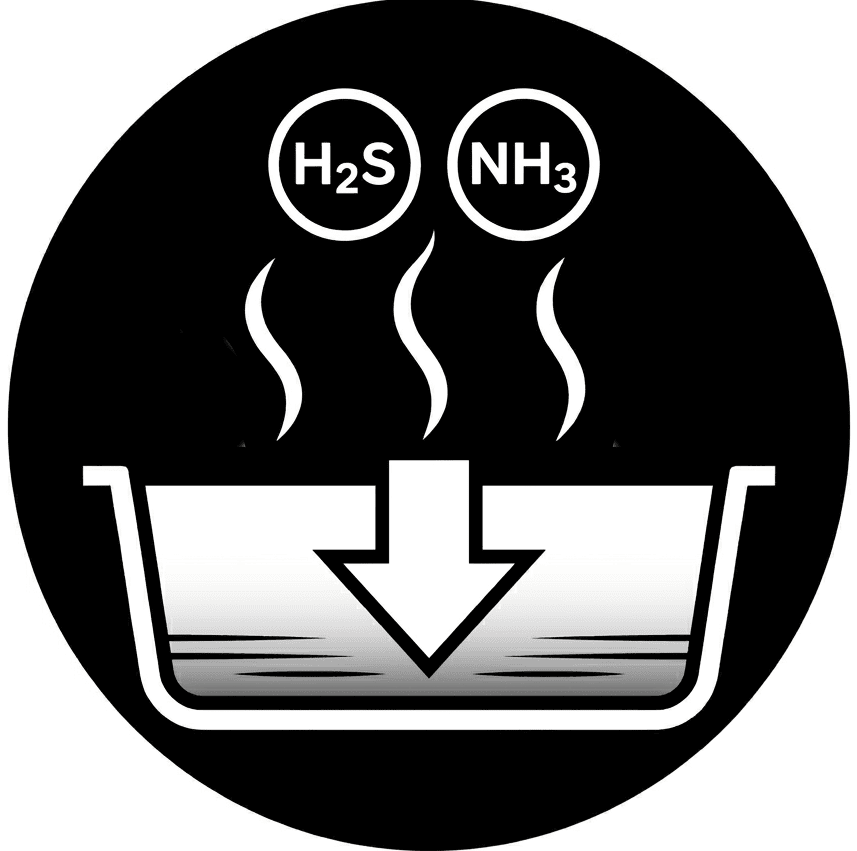
Probiotics suppress the formation of harmful gases such as ammonia and hydrogen sulfide, improving air quality in living environment.
Benefits :
- •Shift waste breakdown from foul anaerobic decay to clean microbial fermentation.
- •Rapidly colonize waste, outcompete odor-producing bacteria, and produce beneficial organic acids.
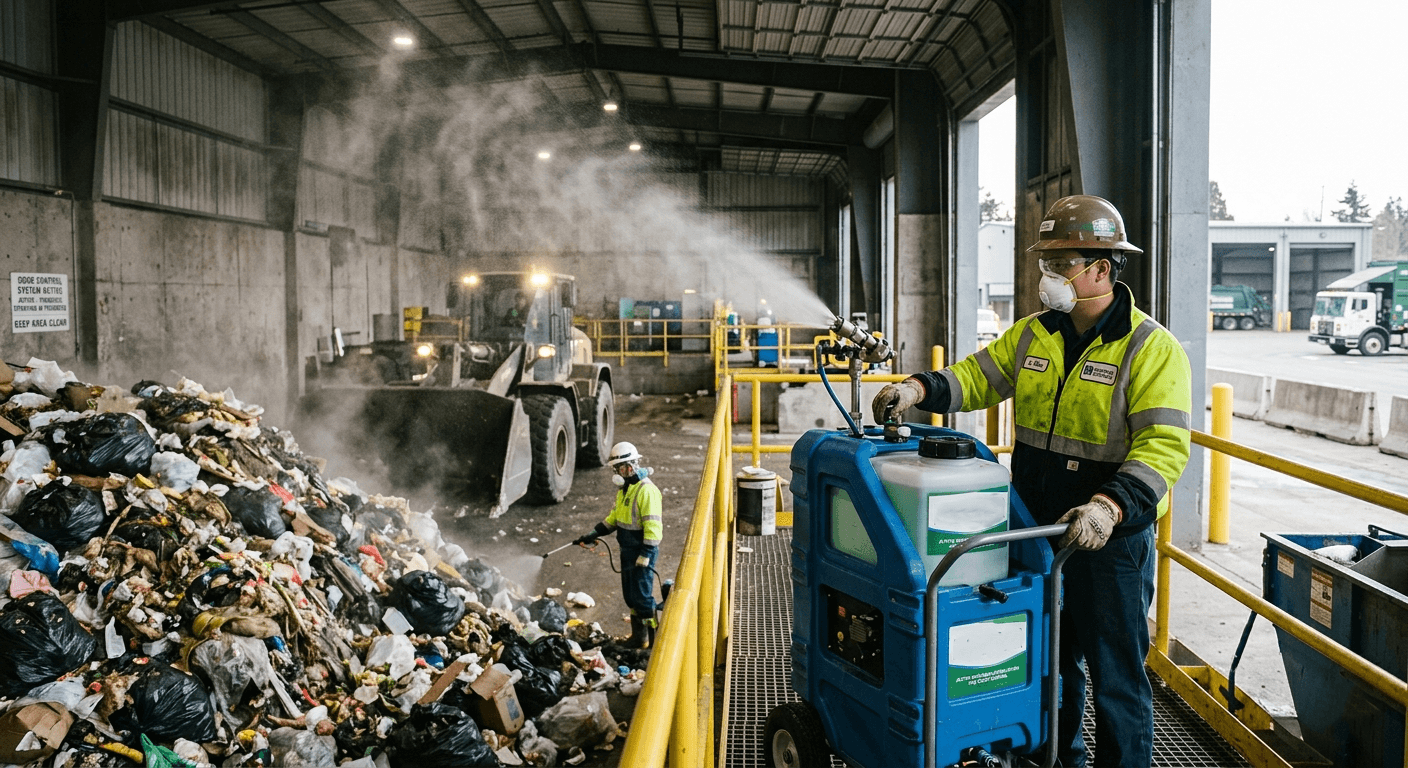
Landfills and Municipal Waste Management
Probiotic bacteria can be applied to landfills and municipal waste to accelerate degradation processes, improve waste stabilization, and reduce the environmental impact associated with organic components.
Benefits :
- •Faster waste decomposition: Enhances enzymatic breakdown of organic matter, reducing waste volume and stabilization time.
- •Odor and leachate control: Suppresses odor-causing compounds (e.g., ammonia, hydrogen sulfide) and reduces leachate toxicity.
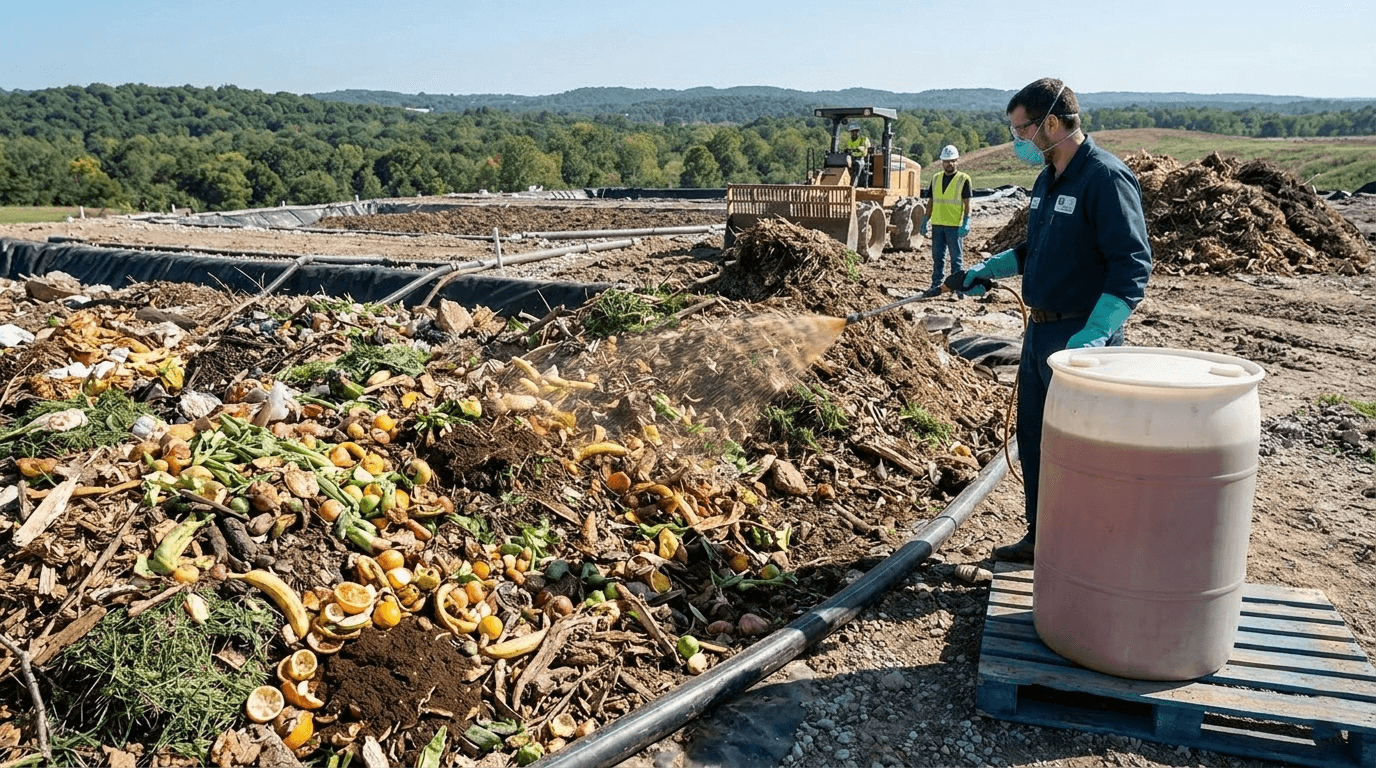
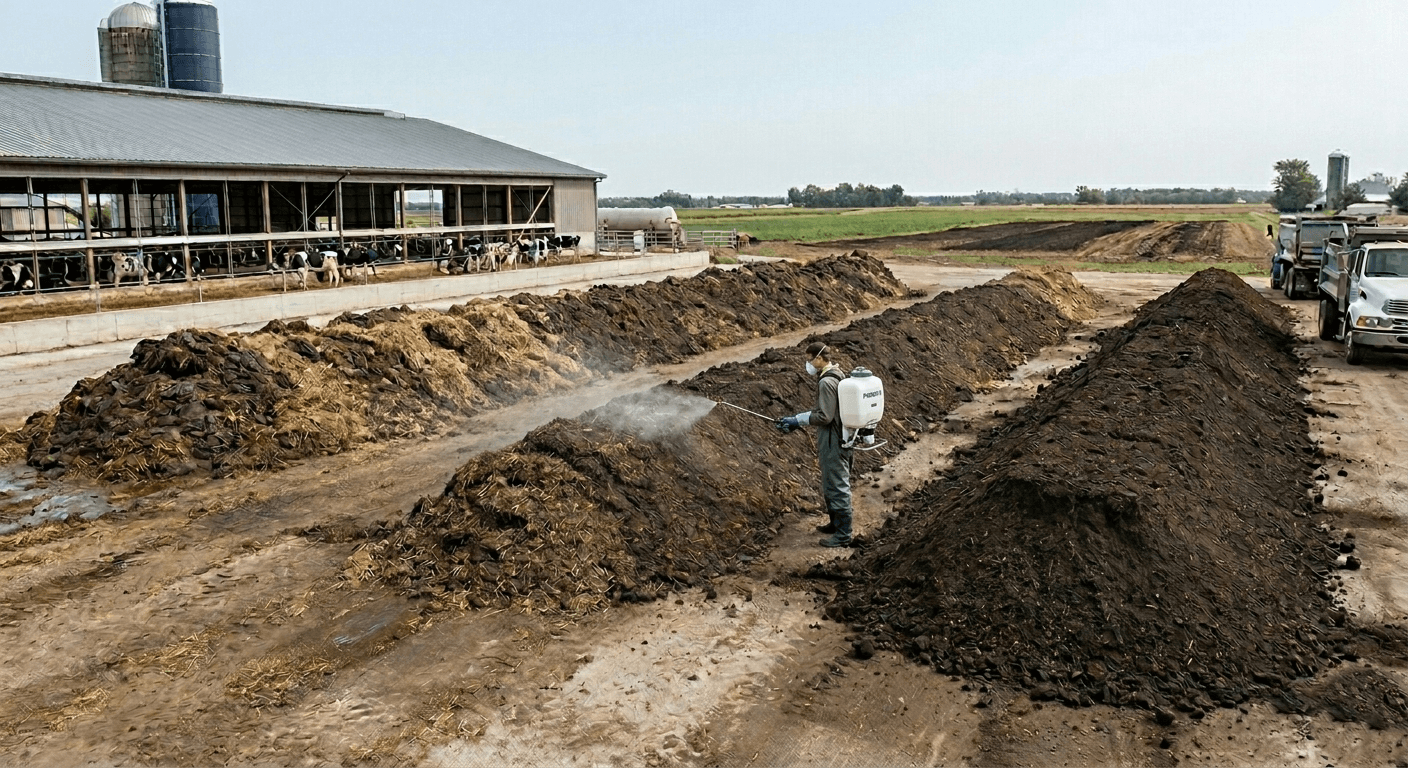
Organic Waste Composting
Probiotic bacteria play a key role in transforming organic waste into high-quality compost, supporting a circular-economy model where nutrients are continuously recycled rather than lost. By steering decomposition toward clean, efficient microbial pathways, probiotics accelerate composting, reduce emissions, and produce a more stable, nutrient-rich soil amendment that returns value back to the farm. By integrating probiotics into composting systems, activities move closer to a true circular-economy model.
Benefits :
- •Accelerate the composting process by promoting beneficial aerobic and fermentative microbes that break down fibers, solids, and organic materials more efficiently.
- •Reduce odors and harmful gases such as ammonia, hydrogen sulfide, and volatile organic compounds, making composting areas cleaner and safer for workers and nearby communities.
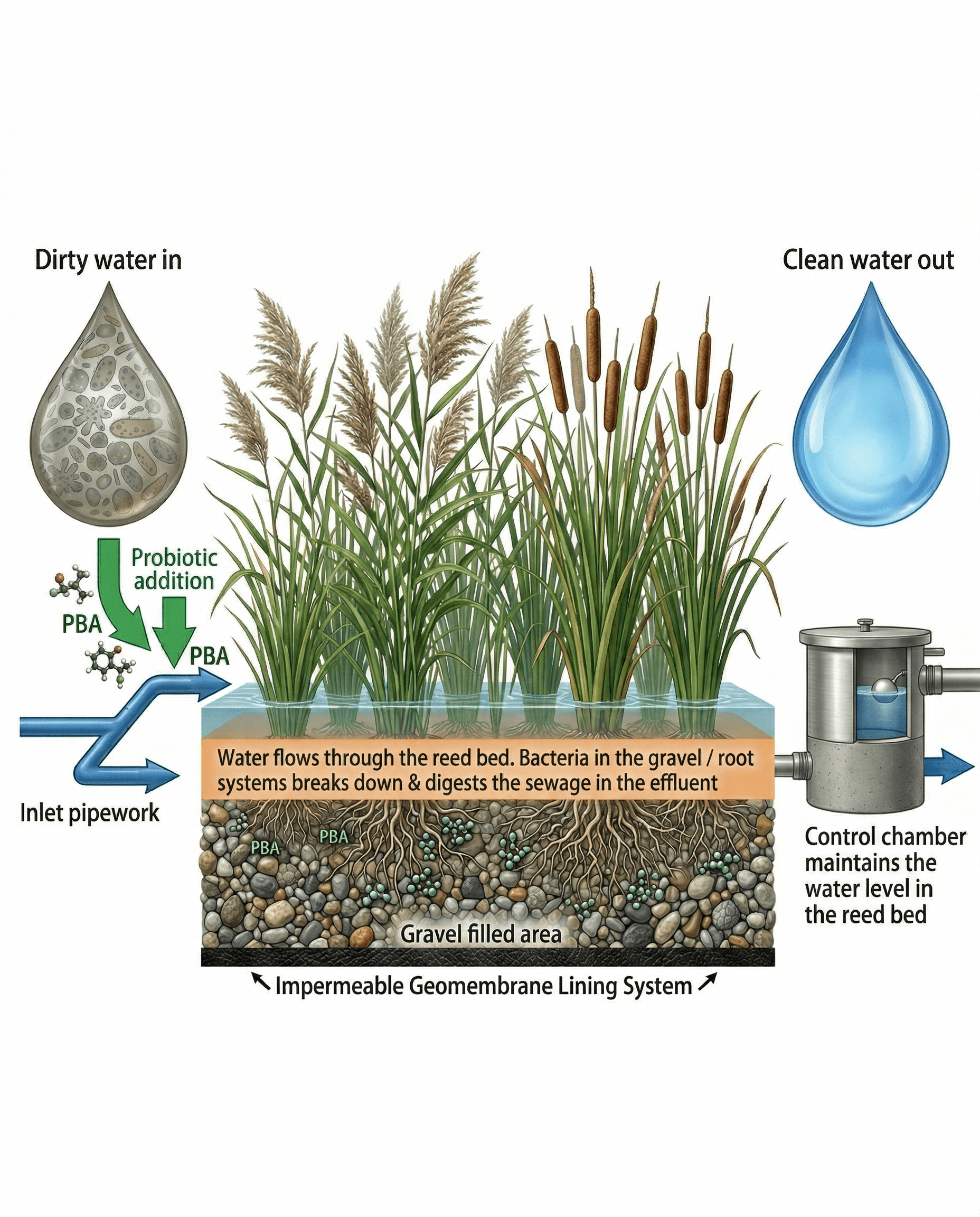
Synergy of PBA & Reed Bed Systems
Probiotic bacteria can significantly improve the efficiency and stability of reed‑bed (constructed wetland) systems used in dairy‑farm wastewater treatment. By strengthening the biological processes that drive filtration, nutrient removal, and organic‑matter degradation, probiotics help reed beds operate more effectively and with fewer performance fluctuations. When applied to evaporative reed beds—designed for zero liquid discharge—the benefits become even more significant.
Benefits :
- •Boost microbial activity in the root zone, supporting faster breakdown of organic matter and reducing BOD/COD loads entering the wetland substrate.
- •Enhance nitrification and denitrification, improving nitrogen removal and reducing ammonia concentrations that can stress plants and microbes.
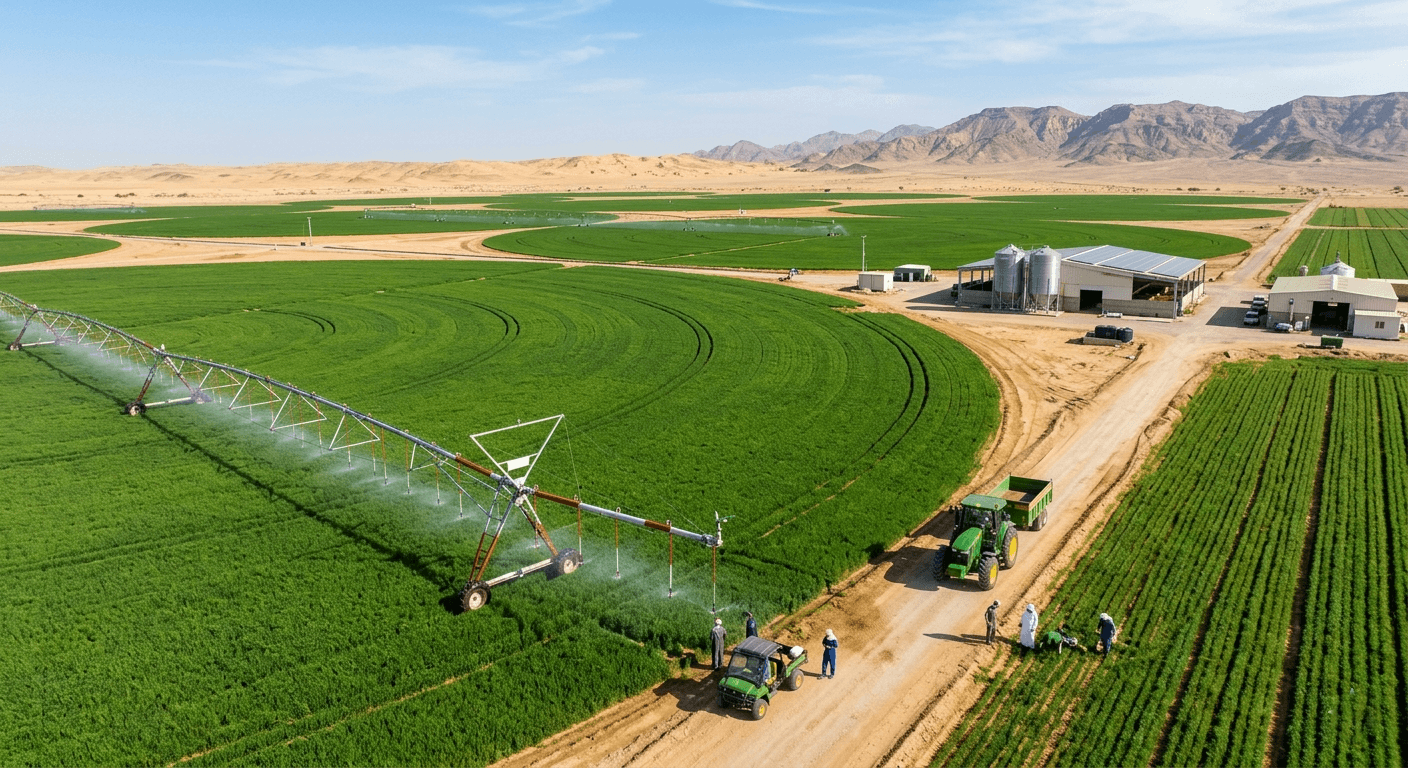
Probiotic Bacteria in Agriculture
Probiotic Bacteria for Agriculture (PBA) represent a class of beneficial microbial formulations designed to enhance soil health, plant growth, and overall ecosystem resilience. These microorganisms interact synergistically with native soil biota, improving biological balance and supporting sustainable farming systems.
Benefits :
- •Soil Microbiome Enhancement: PBAs restore and strengthen the soil’s biological community, creating a healthier and more resilient growing environment.
- •Safe & Eco‑Friendly: PBAs reduce reliance on synthetic inputs and support environmentally responsible farming.
Probiotic Bacteria (PBA) in Dairy Farming
PBA could contribute significantly to improving animal health, barn hygiene, manure management, and overall sustainability in dairy operations. Their biological activity enhances microbial balance, reduces environmental pollutants, and supports circular resource use within the farm system.
Benefits :
- •Microbial Balance and Animal Health
- •Odor Control & Barn hygiene
%20in%20Dairy%20Farming.png&w=3840&q=75)
Livestock and Poultry Farming
PBA has a significant role in improving livestock health, environmental hygiene, and overall farm productivity. These beneficial microorganisms enhance microbial balance in animal housing, reduce harmful emissions, and support disease prevention through natural biological processes.
Microbial Ecosystem Improvement
- •Probiotic microorganisms and their metabolites enhance the beneficial microflora in animal housing environments and within the animals’ gastrointestinal systems.
- •Regular inclusion of PBA in drinking water or feed supports disease prevention and improves manure quality.

Probiotics in Fish Farming
Probiotic bacteria contribute significantly to the health and productivity of aquaculture systems by optimizing water quality, supporting intestinal health, and reducing pathogen pressure. Their use leads to higher survival rates and more sustainable fish-farming practices.
Better Gut Health & Digestion
- •Balance gut microflora in fish and shrimp
- •Improve nutrient absorption and feed conversion
- •Support healthy growth from early stages

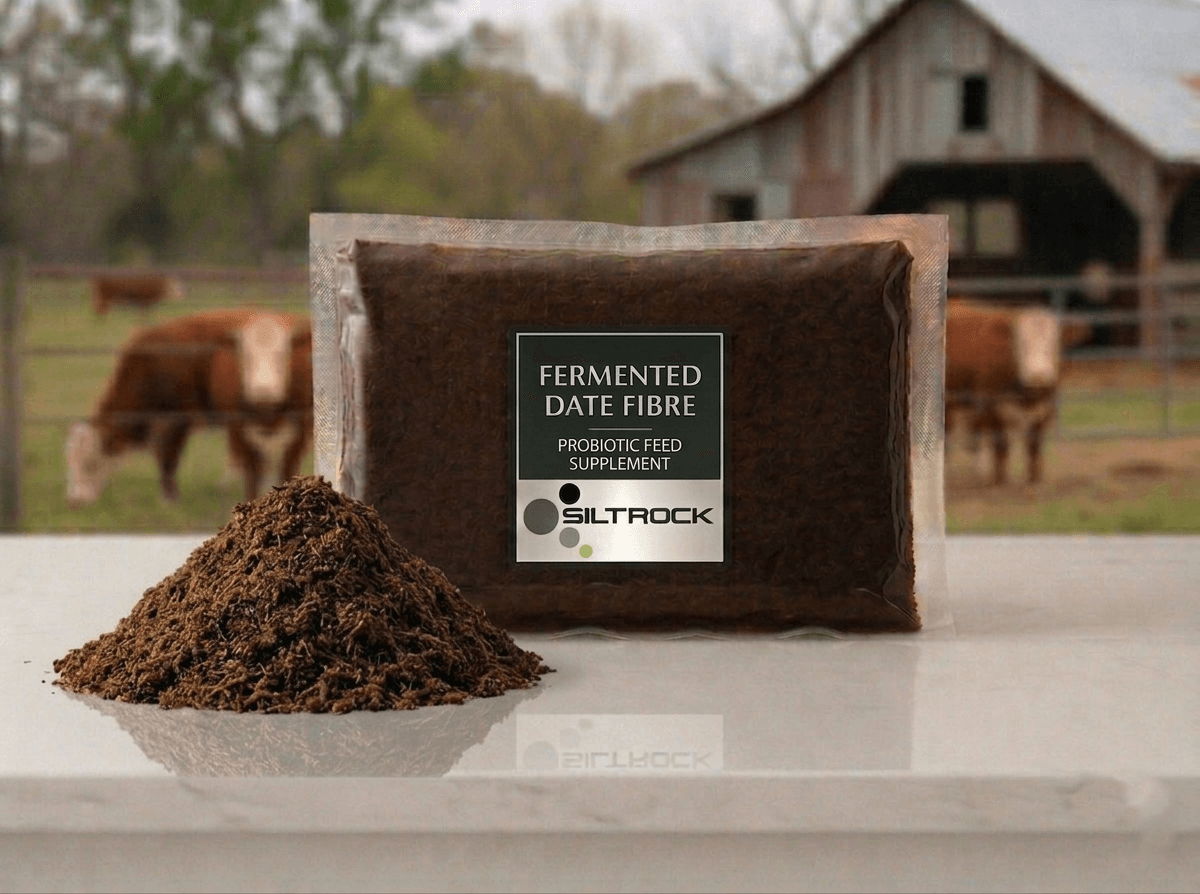
Date Fibre–Probiotics a feed supplement
Probiotics as feed supplements helps to prevent and control gastro-intestinal pathogens and improve the overall performance and productivity of farm animals.
Benefits :
- •High in nutritional value with essential vitamins and minerals.
- •Improves microbial gut flora of animals/feed intake.
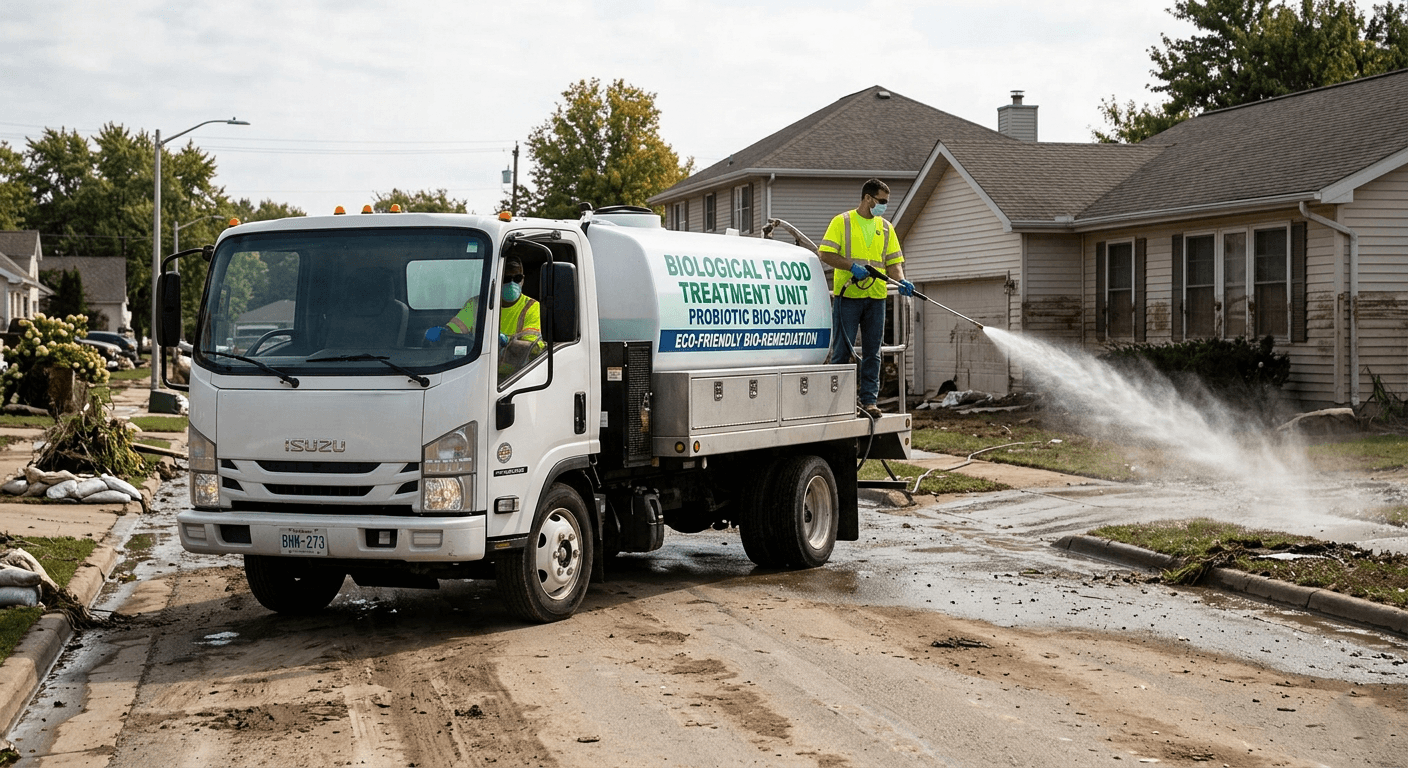
Flood Recovery Solution
Probiotic Bacteria (PBA) support soil and water restoration following flood events. They re-establish beneficial microbial populations, degrade accumulated organic pollutants, and help suppress the growth of pathogenic microorganisms, enabling faster ecological recovery.
Benefits :
- •Improves water quality: Accelerates breakdown of organic contaminants and reduces biochemical oxygen demand (BOD).
- •Restores microbial balance: Reintroduces beneficial microbes to stabilize soil and aquatic ecosystems.
Grease Traps
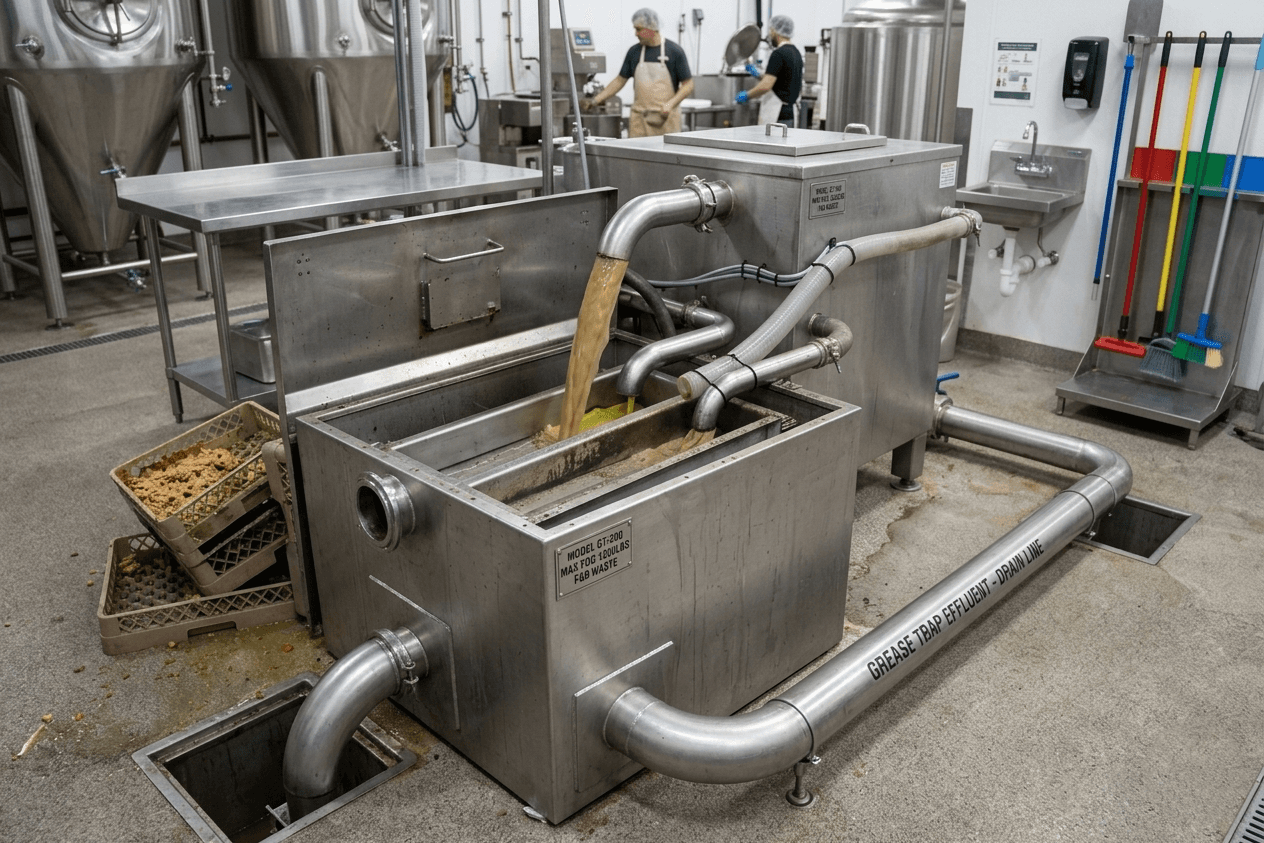
PBA bacteria digests Fats, Oils and Grease (F.O.G.) and other organic substances in the grease traps, drain lines in a safe and sustainable way. Their stability and durability keep the grease traps and drain lines clean for a long time.
Benefits :
- •Improve Grease trap room environment
- •Better Kitchen Hygiene with reduced fats, oils and greases
Probiotic Cleaning
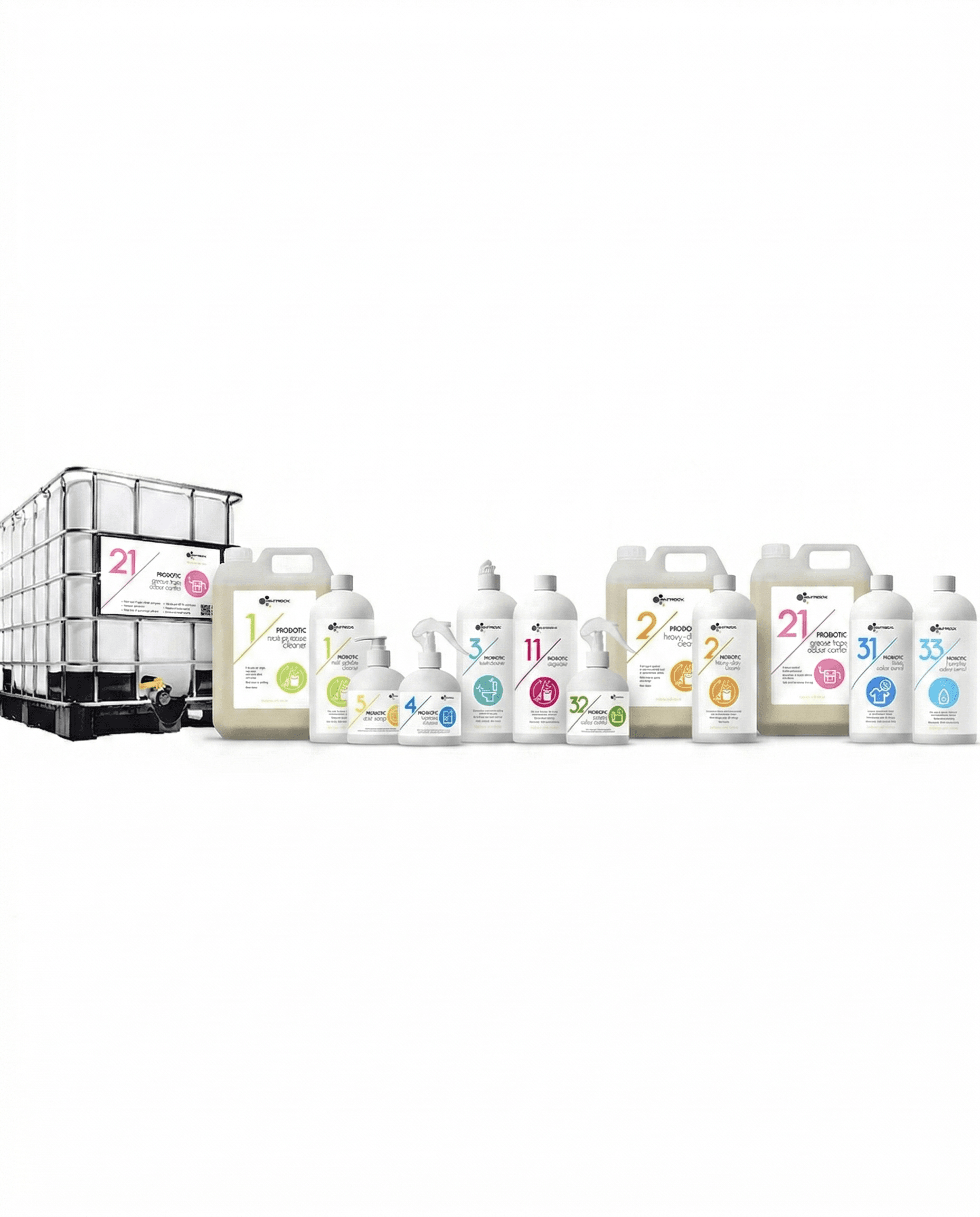
A probiotic cleaning approach maintains healthier surfaces by adding beneficial microorganisms that create long‑lasting protection and support a clean, balanced, odor‑free environment.
Product Range
- •Multi‑Purpose Cleaner: For all surfaces, prevents recurring dirt and odors.
- •Carpet & Fabric Cleaner: Reduces odors and allergens, long‑term care.
- •Drainage Odor Control: Breaks down buildup and stops recurring smells.
Quality control
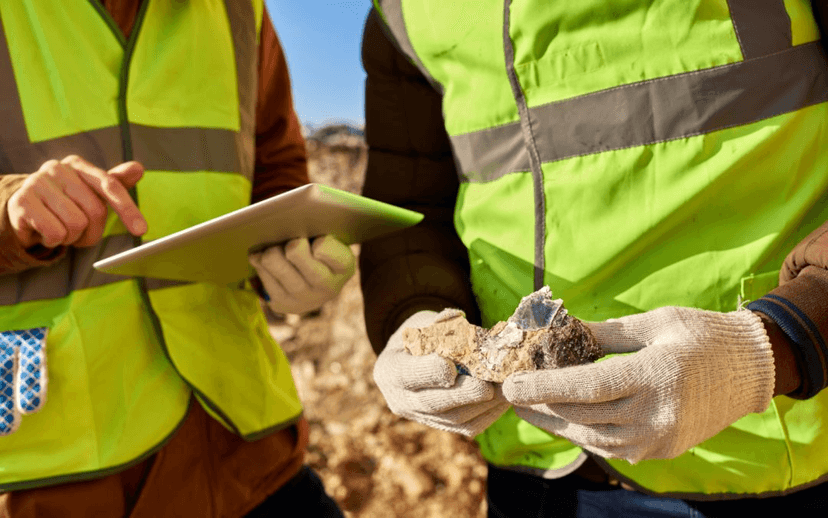
Following are some of the use cases of the Quality control
Comprehensive Assessment
Detailed assessment of the environmental conditions and operational systems involved. This includes evaluating existing processes, identifying environmental challenges, and determining the most suitable biological or sustainable solutions for the project.
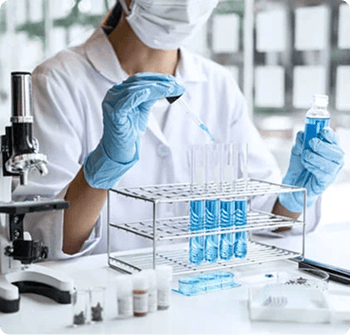
Laboratory Testing
Laboratory analysis is conducted to evaluate microbial activity, contamination levels, and environmental parameters. These tests provide scientific data that supports the development of effective and environmentally responsible treatment strategies.
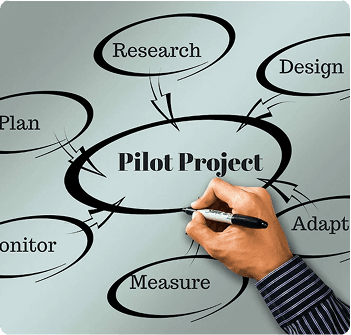
Pilot Study
Before large-scale implementation, a pilot study is carried out to validate the proposed solution under controlled operational conditions. This stage allows performance evaluation, process optimization, and confirmation of expected outcomes.

Strategic Planning
Based on the assessment and pilot study results, a tailored project design is developed. This includes defining treatment methods, selecting appropriate biological solutions, establishing performance targets, and planning the implementation framework.

Project Management
Our team manages the project through all stages of implementation. This includes coordination with stakeholders, monitoring system performance, and ensuring that the project objectives are achieved efficiently and sustainably.
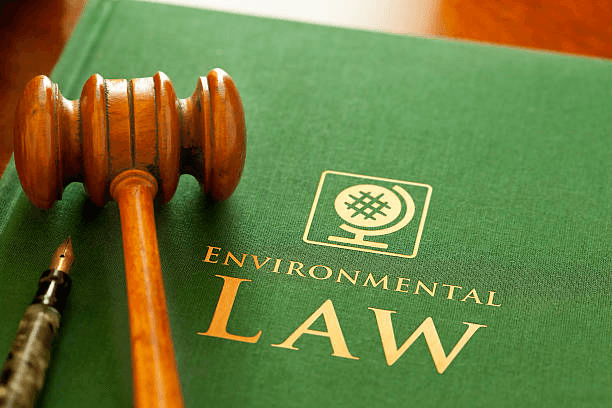
Reporting and Compliance
Detailed reporting and documentation are provided throughout the project lifecycle. All activities are carried out in accordance with applicable environmental regulations and compliance requirements, ensuring transparency and accountability.
Balance with nature